Char Kway Teow Rice Noodle Stir Fry



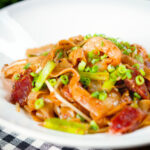
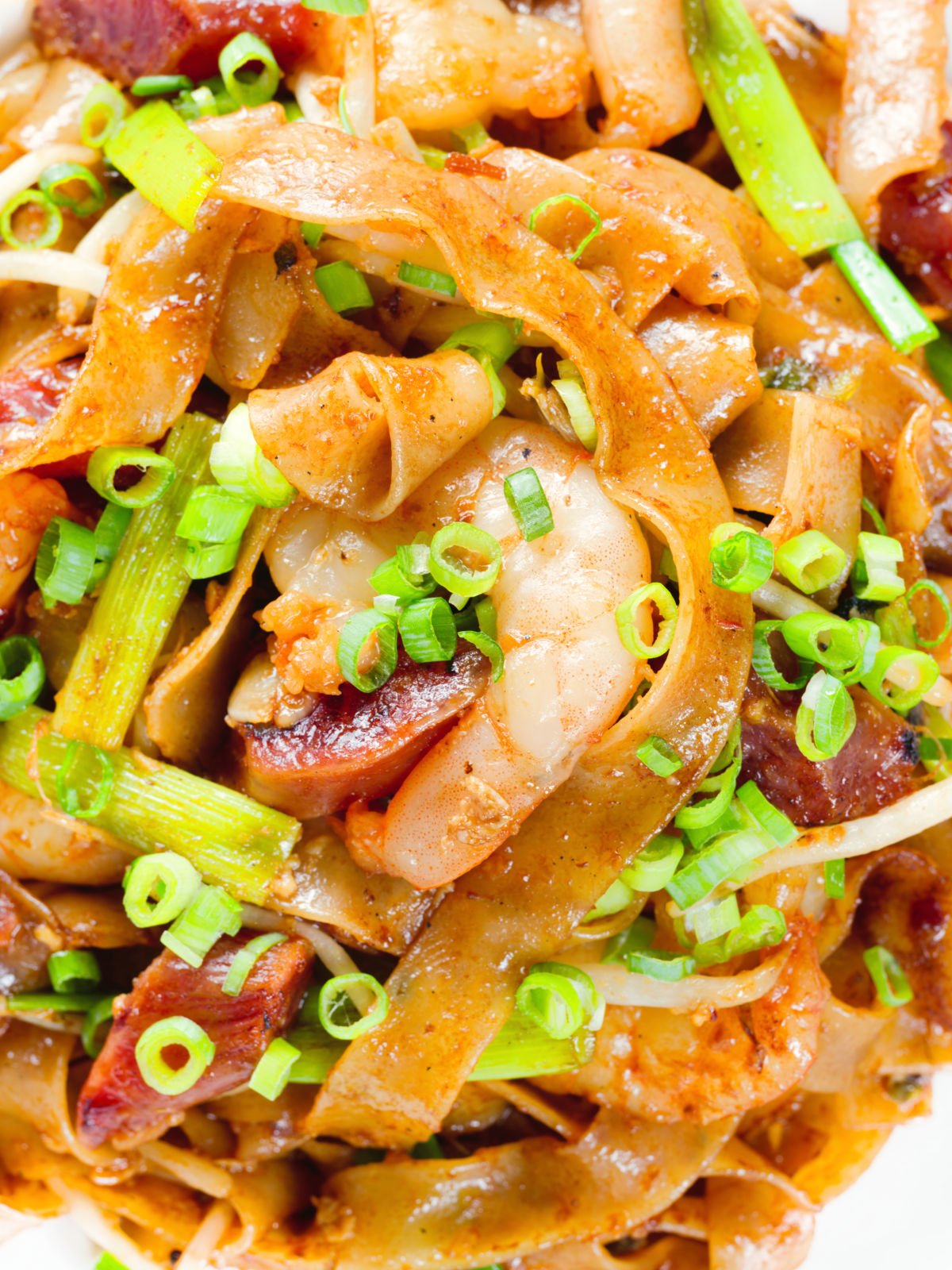
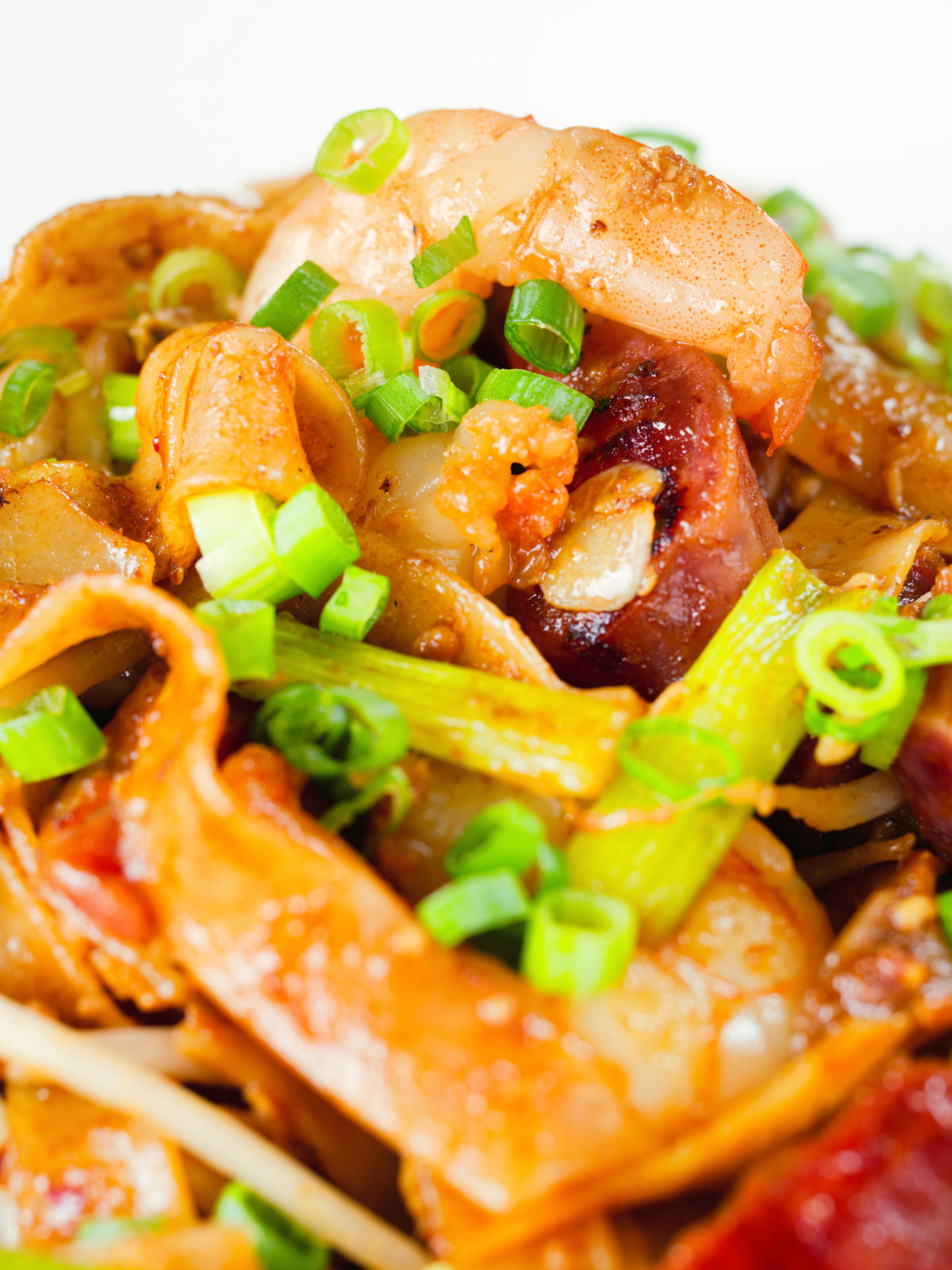
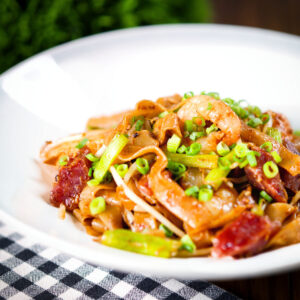
Char kway teow is a stir-fry dish from China and South East Asia, my version features flat rice noodles, prawns and Chinese sausage.
This very satisfying and lightly spiced stir fry will take you around 20 minutes to prepare, but cooking is all done in under 10 minutes!
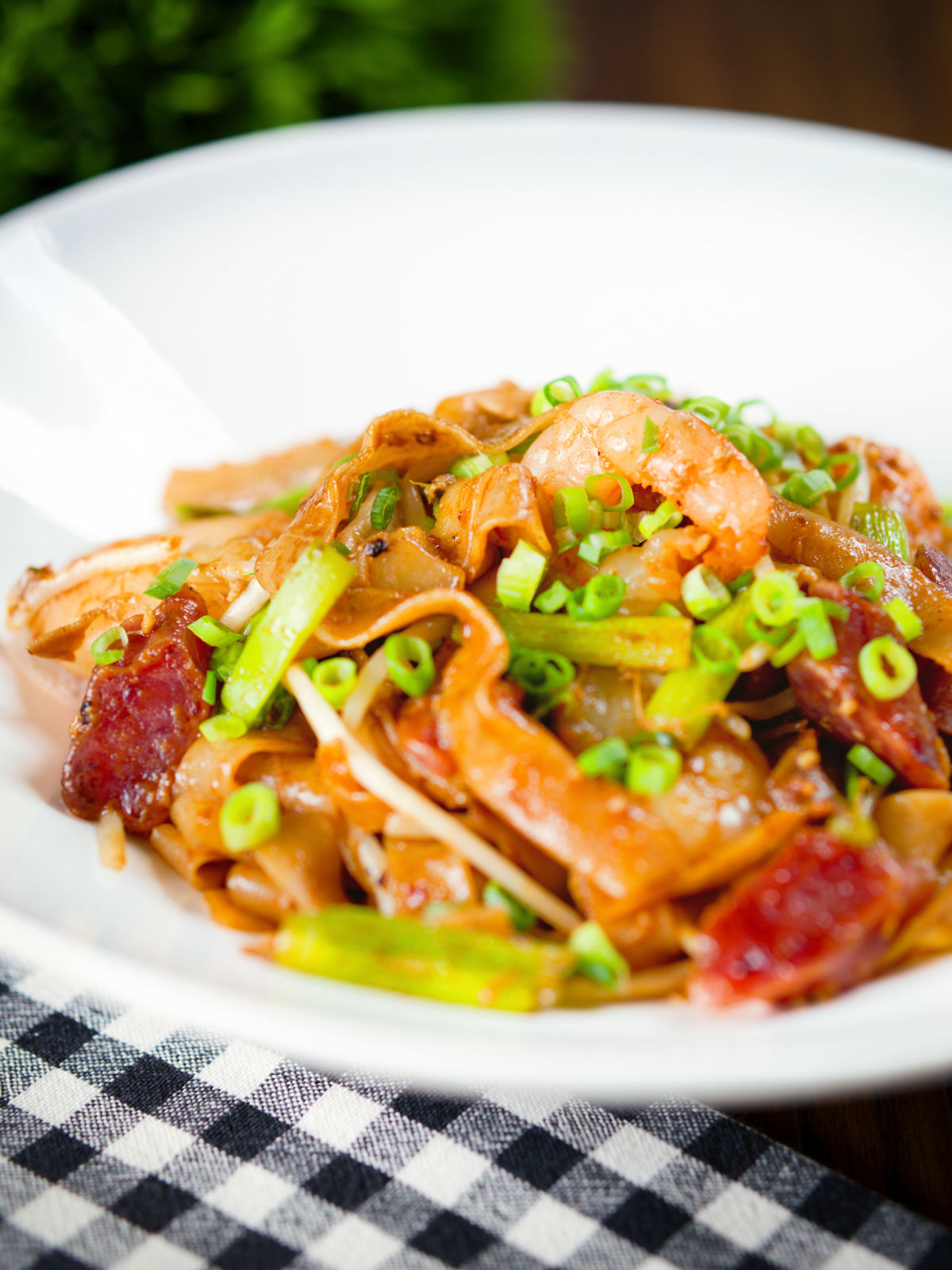
Prawn and Chinese Sausage Stir Fry
Char kway teow or char kwayteow is a dish from Southern China that found a home in Malaysia and Singapore.
Its name is a literal translation of stir-fried flat rice noodles, and as with so many Chinese names, there are countless derivations of the spelling and pronunciation.
The noodles are the same sort of noodles that I use in my vegetarian ho fun recipe. They are almost chewy and smoky from being fried at a high heat in pork lard!
My take on the sauce is pretty traditional, and features soy sauces, fish sauce, oyster sauce and sambal manis. A sweet and spicy chilli paste that adds all sorts of joy to this recipe.
When it comes to protein, as a home cook, I choose a simpler but no less tasty selection of just two ingredients.
The prawns are a classic, and I always have some in my freezer. The Chinese sausage is both traditional and, honestly, some of the tastiest cured sausage that money can buy.
Then it is just a case of some frantic, smoky, high-heat stir-frying with plenty of garlic (in place of garlic chives) and spring onions. The cooking phase is done and dusted in well under 10 minutes!
Frequently Asked Questions
What else can I make with Chinese sausage?
The first thing that springs to mind is my Chinese sausage fried rice. It is honestly the reason I always have Chinese sausage in my freezer!
But it is a fantastic ingredient that adds a sweet, sour and meaty vibe to loads of Chinese fakeaway-style dishes. I will often add it as an "extra" protein addition to stuff like beef chow mein and chicken egg foo yung.
You can even fry it up gently and add it to salt and pepper chips; it is a borderline genius addition!
Can I use fresh rice noodles?
Yes, fresh rice noodles are traditionally used in this dish. However, they are very difficult to find in stores in the UK.
I have used them in the past, and simply pour boiling hot water over them to soften them a little. Then drain, refresh and dry.
You will get more of the traditional char on the noodles if you use fresh noodles in this recipe.
Can I use different types of protein?
Yes, this dish is made using a whole range of ingredients across Southern China, Malaysia and Singapore. Everything from beef, chicken and pork through to blood cockles, and Thai fish cake.
Do I have to use lard?
No, you can use a neutral cooking oil, but the lard adds a rich smokiness to the dish that I adore!
Can I make this in advance?
I would not make char kway teow and reheat it; the prawns will become rubbery, the noodles will become claggy, and the sausages will be too firm to enjoy.
Serving Suggestions
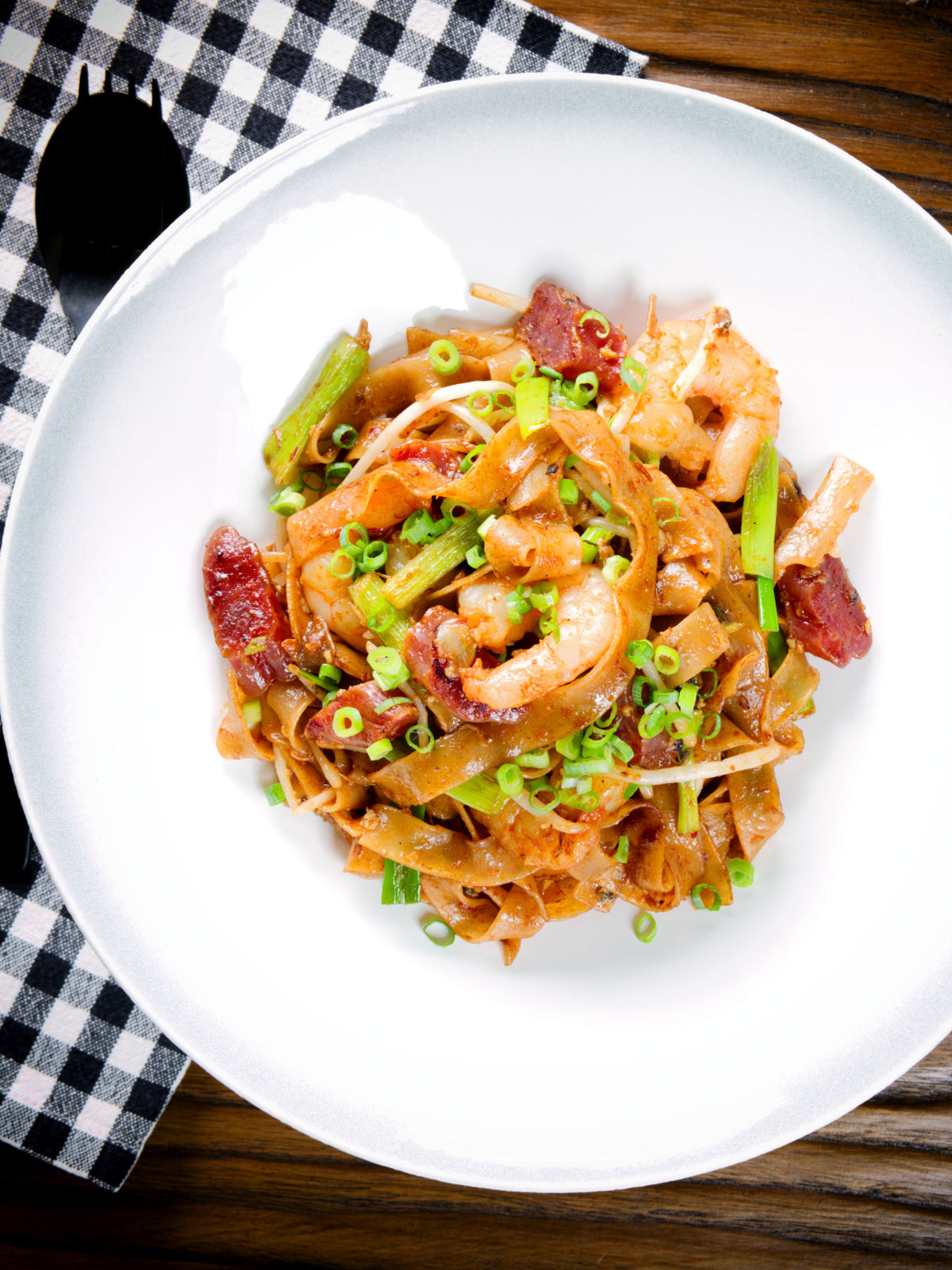
I tend to serve char kway teow with starters rather than sides. I love that whole nibble thing that I so often associate with a Chinese takeaway.
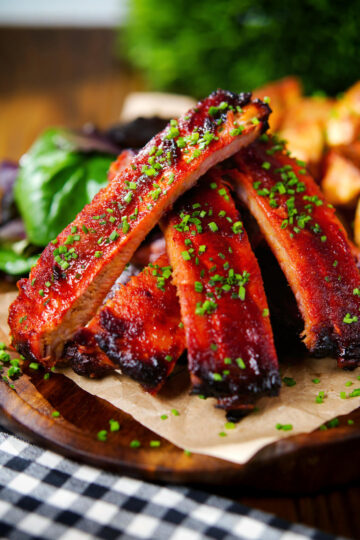
My favourites include Chinese spare ribs and Chinese chicken and sweetcorn soup. Although I would probably only make these if I were cooking for more than just two people.
If I'm cooking for just myself and my wife, I would be much more likely to rustle up a combination of stuff like crispy spring rolls, prawn toast and spring onion pancakes.
Equipment Used
I only mention specific brands of equipment if I think they make a material difference to a recipe. But if you have any questions, feel free to ask them in the comments section below the recipe.
- Hob/Stovetop.
- Wok.
- 20cm saucepan (or larger) to cook the rice noodles.
- Baking tray to dry the noodles.
- Colander or sieve.
- Chopping board.
- Kitchen knife.
- Small mixing bowls.
- Stirring and serving spoons or tongs.
- A combination of weighing scales, measuring cups and spoons.
Char Kway Teow Recipe
Ingredients
- 150 g Flat Rice Noodles (Dried) 5oz
- 150 g Prawns 5oz Frozen are fine
- 150 g Chinese Sausage (Lap Cheong) 5oz
- 1 Large Egg
- 75 g Fresh Bean Sprouts 1 Cup
- 6-8 Spring Onions Plus extra for garnish
- 4 Garlic Cloves
- 35 g Lard 2 Tbsp
For the Sauce:
- 1 tablespoon Sambal Manis
- 2 teaspoon Dark Soy Sauce
- 1 teaspoon Oyster Sauce
- 1 teaspoon Fish Sauce
- 1 teaspoon Light Soy Sauce
- ⅛ teaspoon MSG
Instructions
- Begin by preparing the noodles. You can skip this step if you are using fresh rice noodles (see FAQ's)Bring a 20cm or 8" pan of water to a boil and add the rice noodles, cook for 2-3 minutes, then drain and refresh in cold water. Then transfer the noodles to a baking tray when cold and arrange them in a single layer.
- If you are using frozen prawns, defrost them by running them under cold water.
- Cut the Chinese sausage into rounds about 5mm (just under ¼") long. I like to do this at a 45° angle.
- Cut the spring onions into 25mm lengths (around 1").I also like to garnish with spring onions, so slice 1 or 2 very thinly at this point.
- Peel and finely slice the garlic cloves.
- Lightly beat the egg.
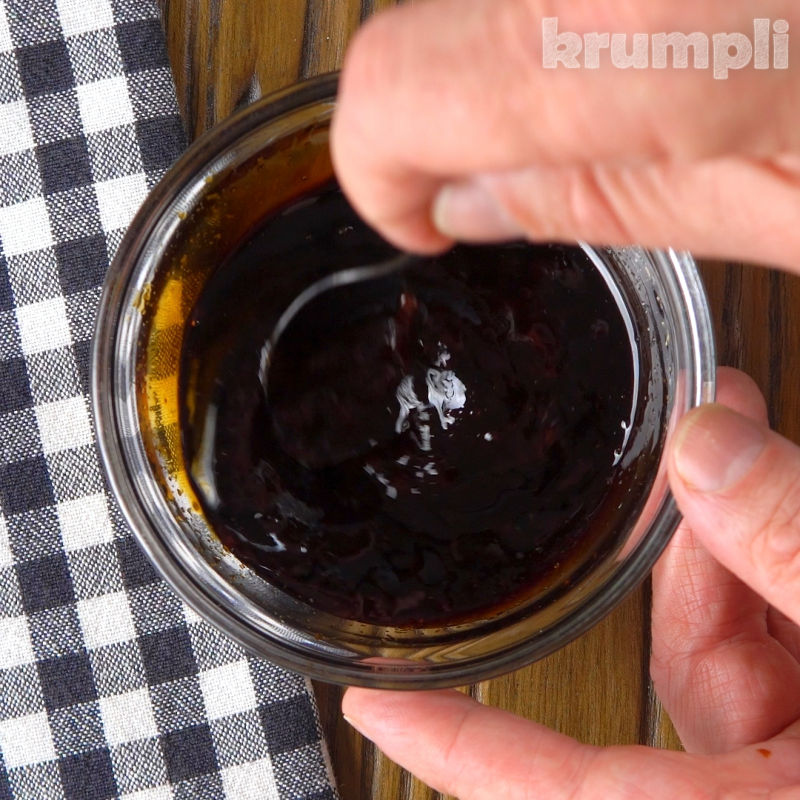
- Mix all of the ingredients for the sauce in a small bowl and set aside.

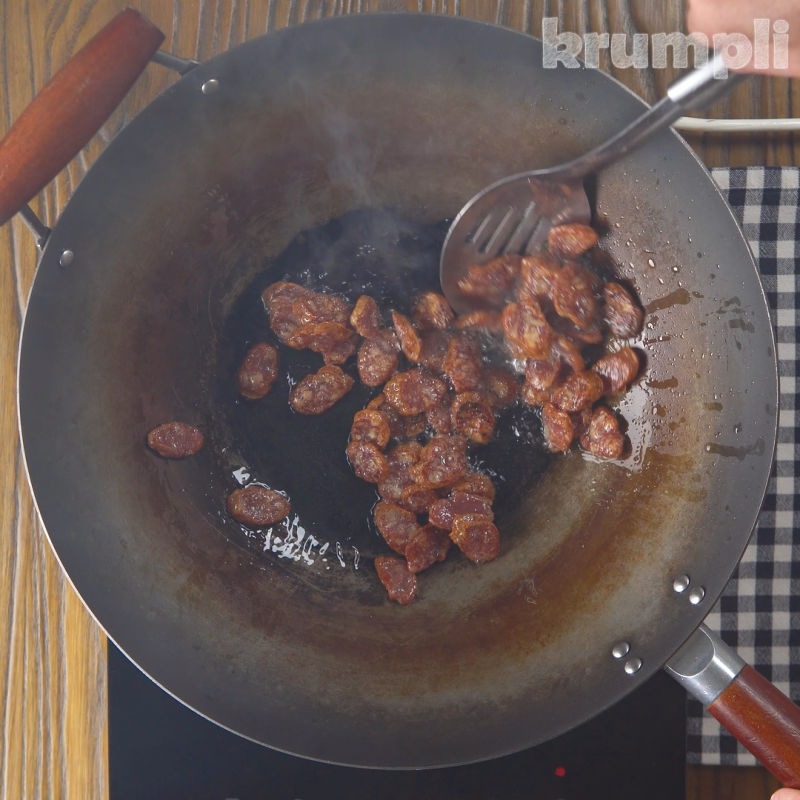
- Heat a wok over a high heat and add the lard. When it begins to smoke, carefully add the sausage and stir-fry for 1-2 minutes
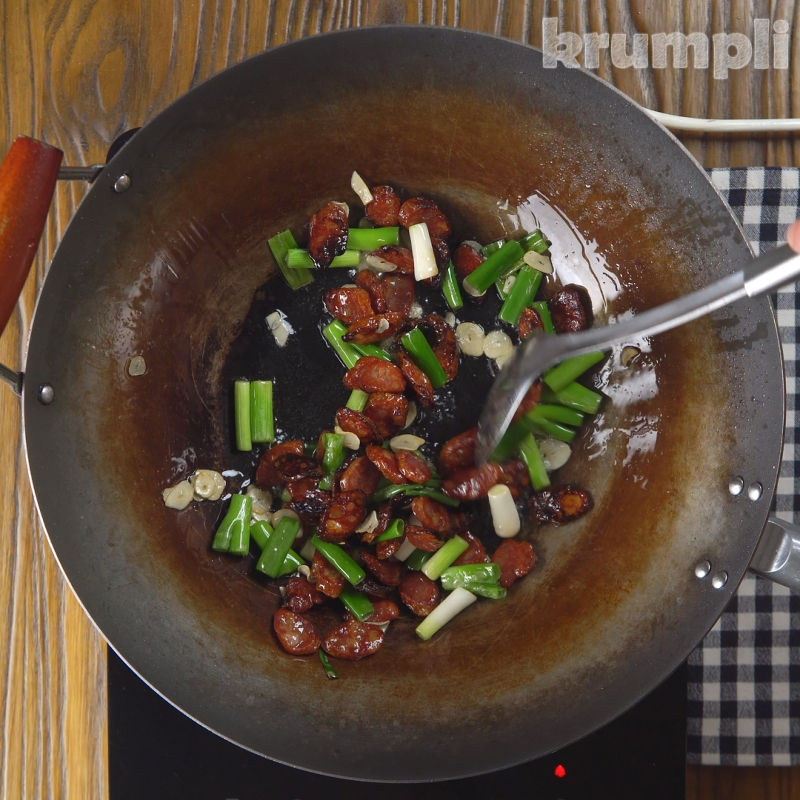
- Add the garlic and spring onions and stir-fry for 15 seconds.
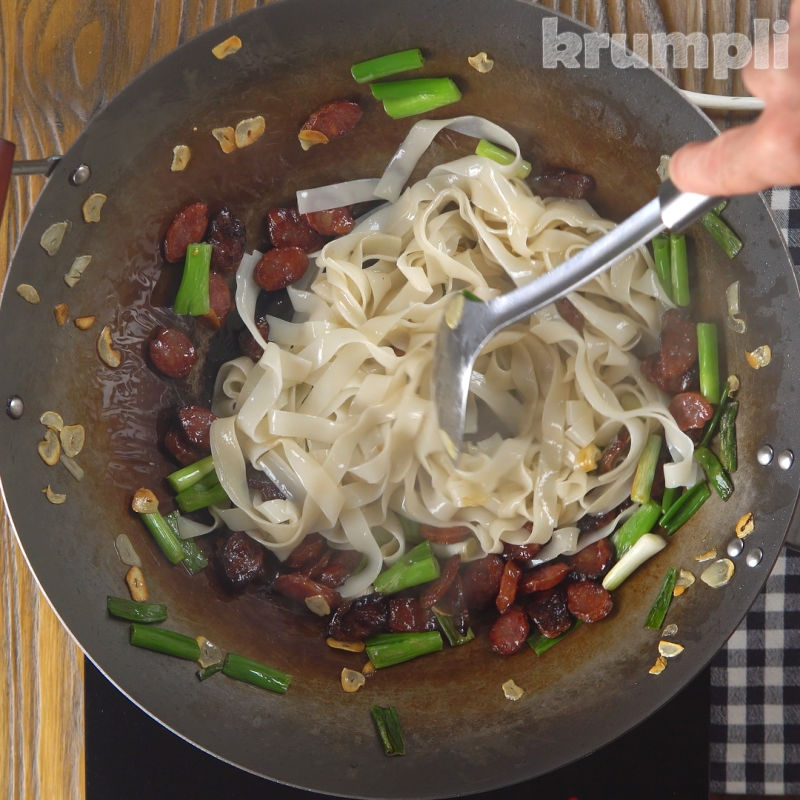
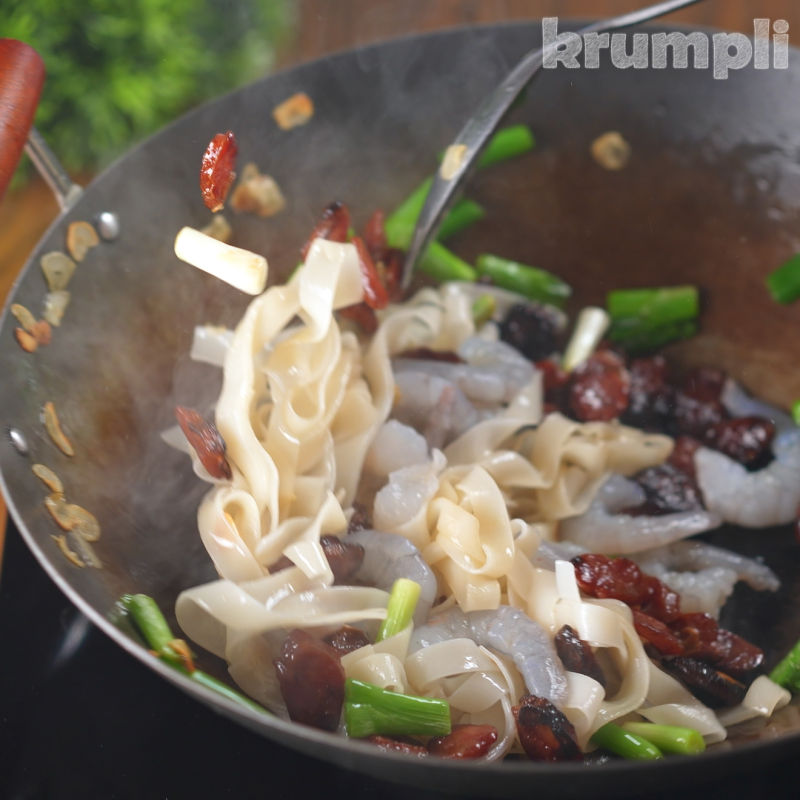
- Throw in the noodles and stir-fry for 1 minute.
- Add the drained prawns and stir-fry for another minute; some charring should begin to develop on some of the noodles.
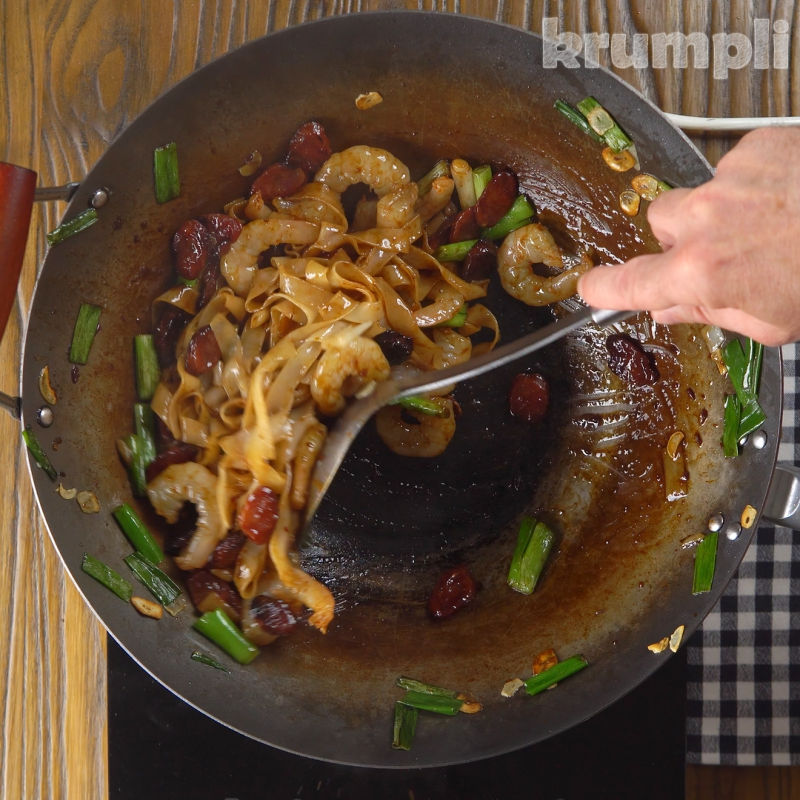
- Pour in the sauce and cook for another minute, stirring the noodles to get them nicely coated in the sauce.
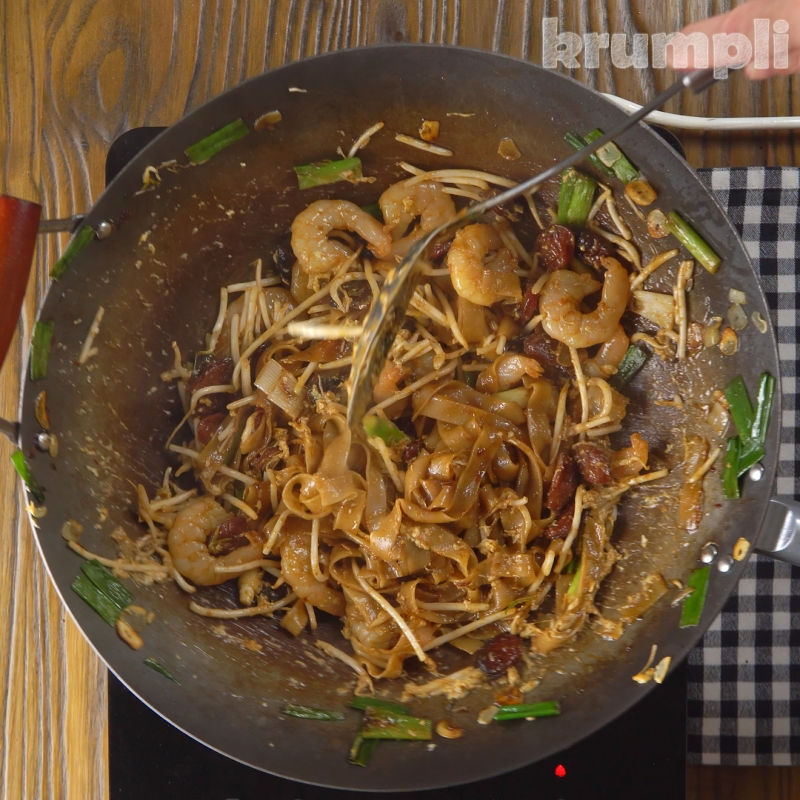
- Push everything to the side of the pan, add the beaten egg and the bean sprouts, and stir-fry for one final minute.
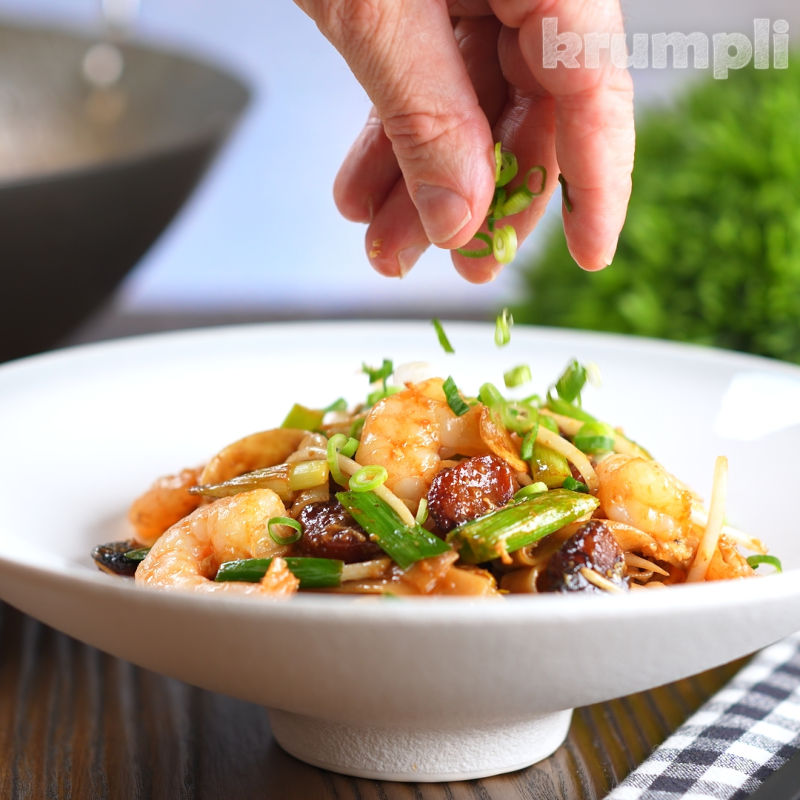
- Serve immediately with the extra spring onions as garnish.