
Keralan Fish Curry with Coconut Milk

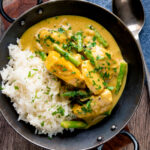
Keralan fish curry, sharp with tamarind & pleasingly spicy, and tempered with coconut milk, this simple and quick recipe is a real winner.
Comparatively speaking, this curry has far less spicing than many Indian curries, which allows the fish to really shine through.
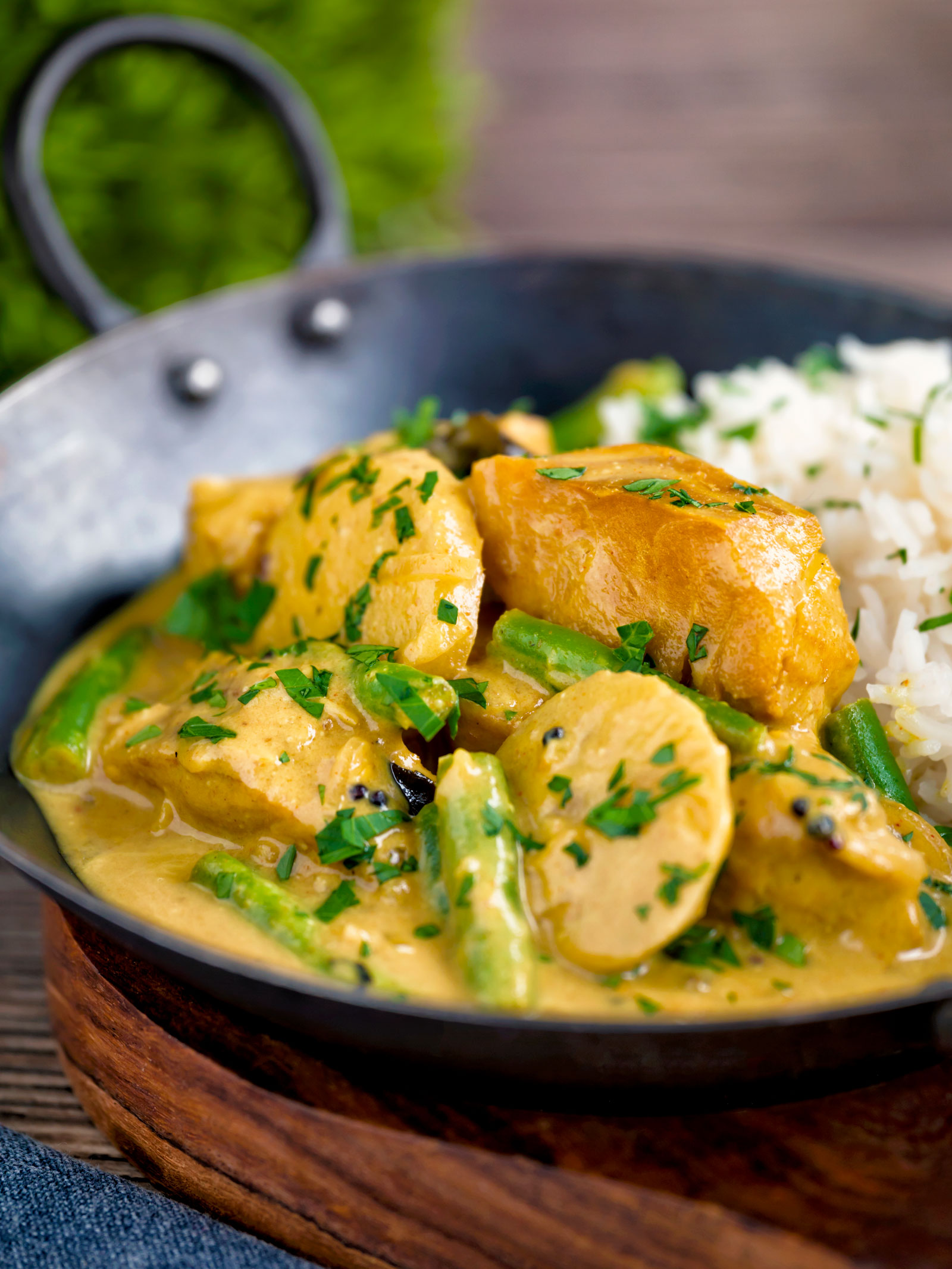
Coconut Fish Curry
Many of my Indian recipes are heavily influenced by Bengali, Northern Indian and Pakistani food. This was the food that littered the UK food scene (or my UK food scene) at the time I fell in love with eating and cooking.
This Keralan fish curry is influenced by a place somewhere a great deal further south, a place where dishes are often lighter and feature a different blend of spices.
My sea bass curry, squid curry, fresh mackerel curry and monkfish curry are loosely influenced by Goan cuisine, and this recipe is influenced by the flavours of Kerala.
The coconut base for this sauce would have been traditionally made using fresh coconut. But I cook for two almost all of the time, so coconut milk saves the day for me.
The flavours here are similar to the ones used in my Indian curry mussels: ginger, garlic, Kashmiri chilli, and Mustard seeds.
Here we get the addition of earthy, sour tamarind and some curry leaves, and they complement the fish beautifully. Very similar flavours to the ones I use in my pheasant curry and South Indian coconut chicken curry.
If you are looking for some other Indian fish dishes, you must check out my whole Tandoori fish, Amritsari fish fry, masala fish, Indian salmon curry and my salmon tikka recipes.
If you want a curry, then check out my Bengali-influenced macher jhol cod curry!
Frequently Asked Questions
What fish should I use?
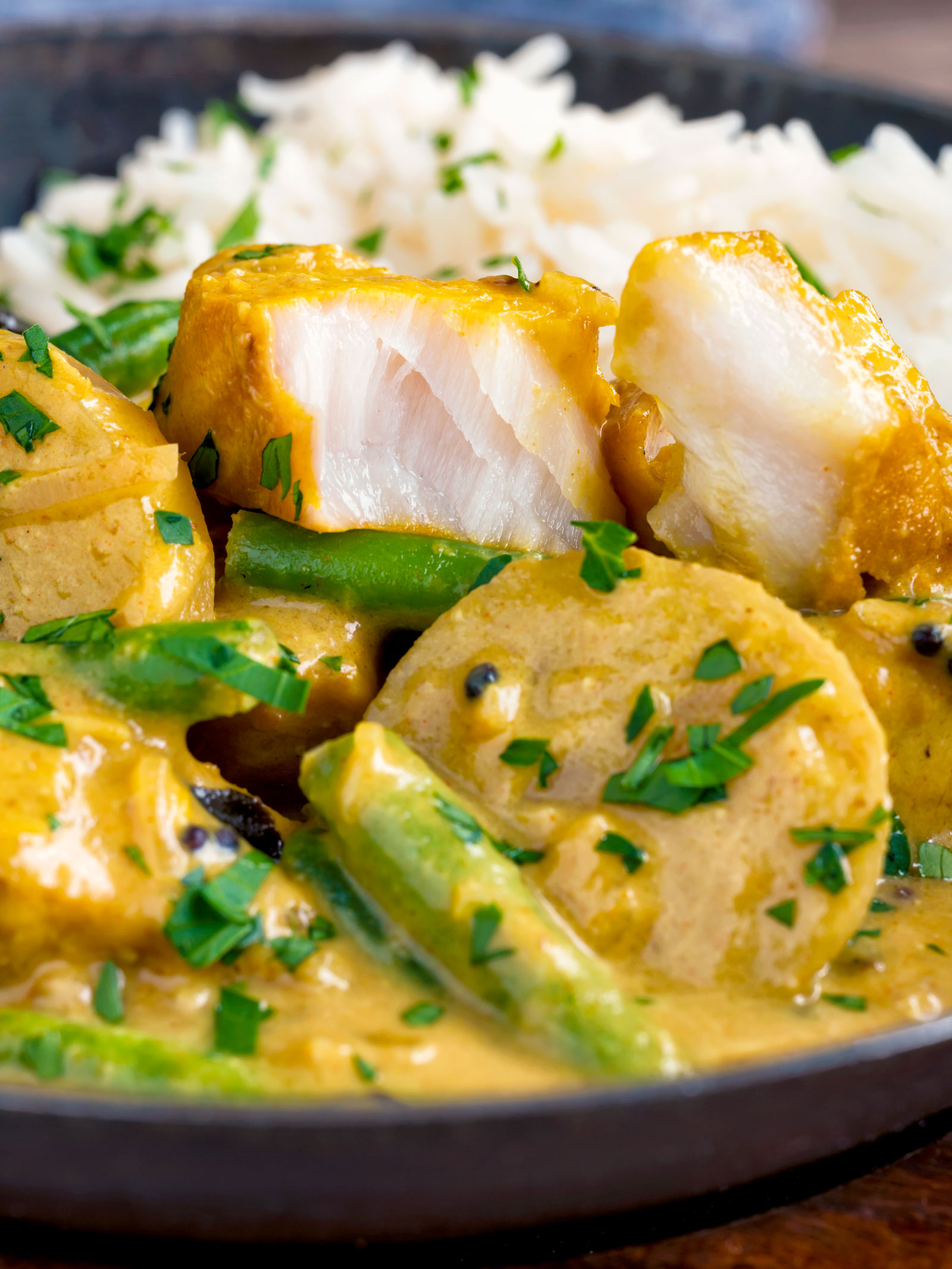
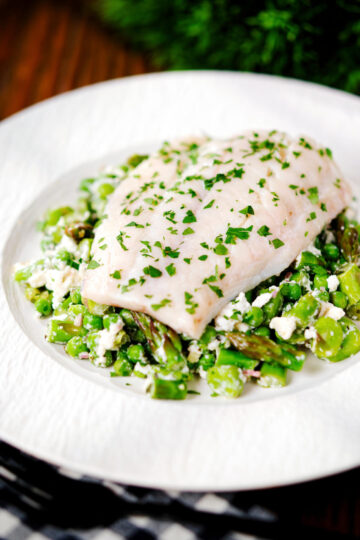
I developed this recipe using pollock, but it works well with any flaky and meaty white fish. As a result, cod, hake or haddock would be a like-for-like replacement.
If you add more water and cook it for longer, you could also use a monkfish tail.
Can I use tamarind concentrate?
Yes, if you have found one that you like, by all means use it. Tamarind concentrate comes in lots of different "strengths", so just tread carefully and do not add too much.
Taste as you add, and you should be fine.
Can I add different vegetables?
Yes, of course! You just need to be careful when you add them; broccoli and cauliflower need around 7-12 minutes of cooking time in the sauce. Harder vegetables like sweet potato or parsnip can go in at the same time as the potato and carrot.
Ingredients like peas and broad beans need just a couple of minutes to heat through.
Can I make this in advance?
This whole dish is not best suited for cooking, cooling and reheating because the fish will overcook and become wooly.
But you could cook this to stage 15 (just before you add the fish), and store it in the fridge for 3-4 days. Then finish it with the fish and green beans during the reheating process.
Serving Suggestions.
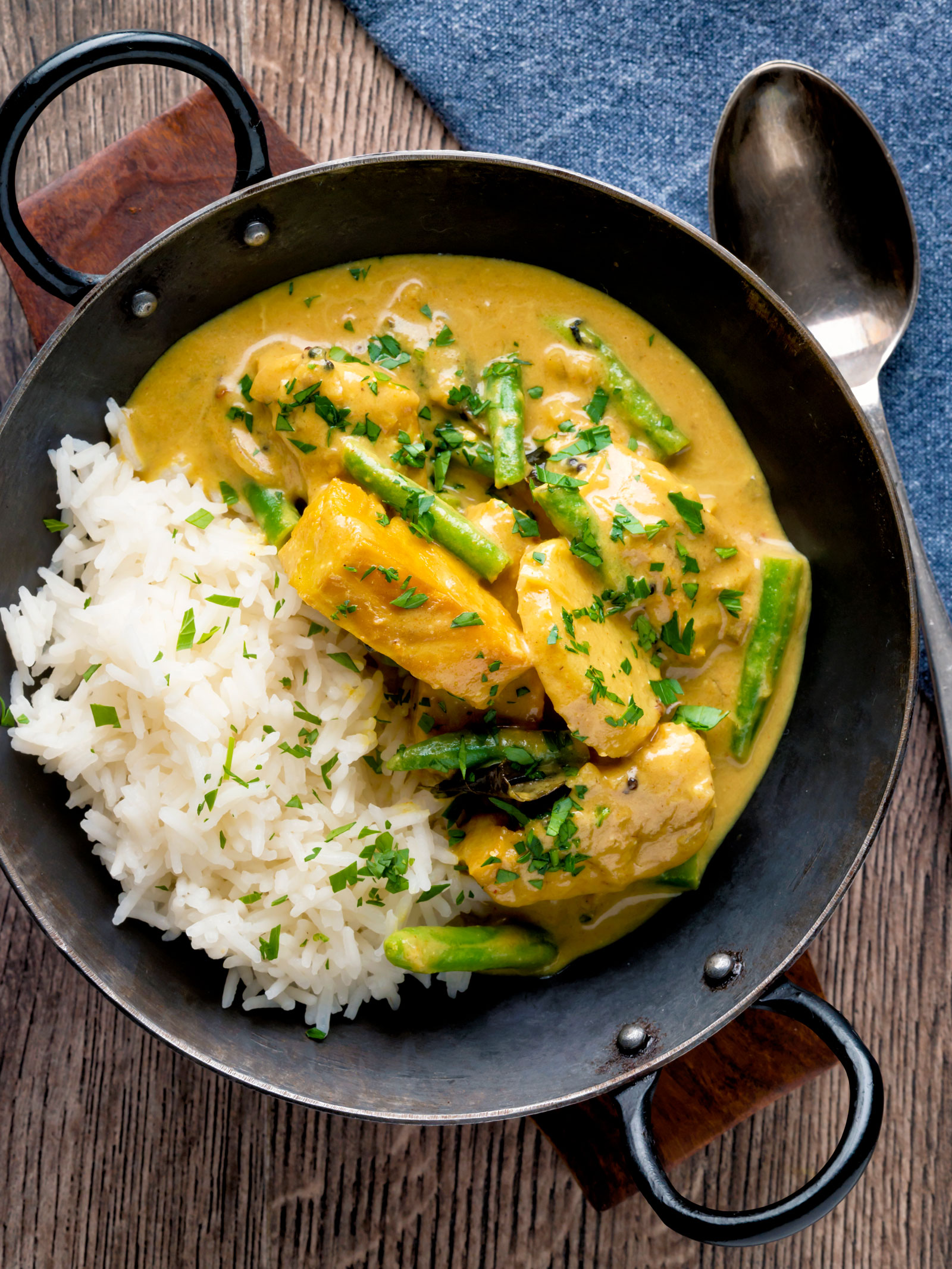
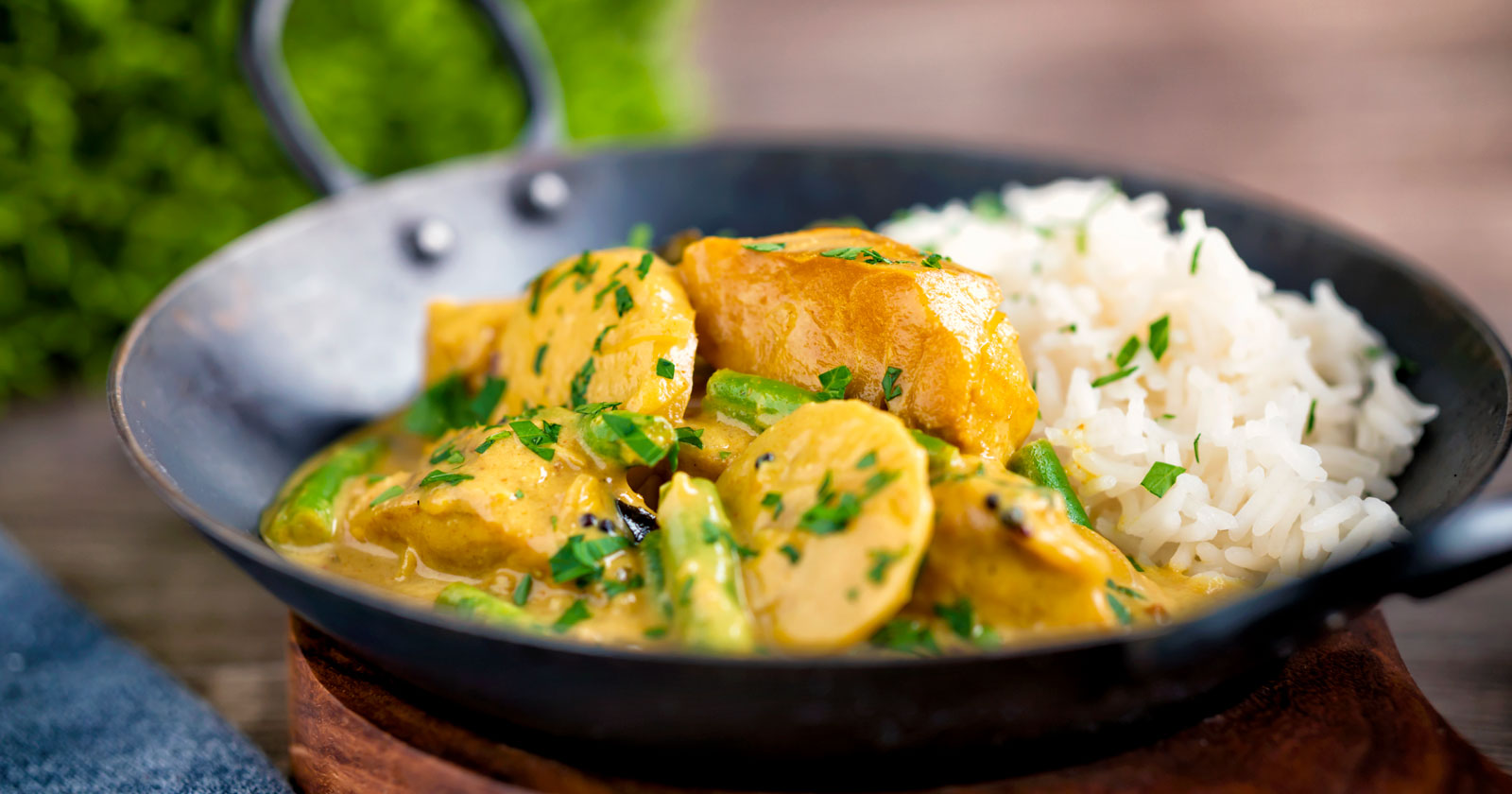
This recipe is pretty much a one-pot meal, although I usually serve it with a little boiled rice. But it would be just as good with a pilau rice, maybe bling it up with a bit of lemon?
The sauce does beg for bread, though, ain't that always the way with Indian food?
I usually add chapati as they are a little lighter, but the sauce is awesome with my tandoori naan bread.
If you move to softer vegetables like broccoli and cauliflower, then this is delicious with my roasted Bombay potatoes.
Equipment Used
I only name-check brands of equipment if I think they make a material difference to a recipe. But if you have any questions, you can ask them in the comments section below the recipe.
- Hob/Stovetop.
- Wok.
- Chopping board.
- Kitchen knife.
- Grater.
- Mixing Bowl.
- A combination of weighing scales, a measuring jug, measuring cups and spoons.
- Stirring and serving spoons.
Keralan Fish Curry Recipe
Ingredients
- 250 g Firm White Fish 9oz (Cod, Haddock, Pollock, Coley and Hake all work well)
- ½ teaspoon Salt
- ½ teaspoon Turmeric
- ¼ teaspoon Kashmiri Chilli Powder
- 50 g Tamarind Pulp 25-30mm or 1" Cube
- 50 ml 3 tablespoon + 1 teaspoon Boiling Water
- 12 Curry Leaves
- 2 Green Chilli Peppers
- 150 g Small New Potatoes 1 Cup
- 50 g Green Beans ½ Cup
- 3 Garlic Cloves
- ½ Ginger 1 Thumb-Sized Piece
- 1 Medium-Large Echalion or Banana Shallot 50-60g
- ½ teaspoon Brown Mustard Seeds
- 165 ml Coconut Milk ⅔ Cup
- 250 ml Water 1 Cup
- 2 tablespoon Cooking Oil
Instructions
- Cut the fish into 2.5cm (1") cubes and place in a bowl.
- Sprinkle over the turmeric, kashmiri, chilli pepper, and salt, mix to coat and set aside.
- Pour the boiling water over the tamarind and set aside for 10 minutes.
- Cut the potatoes into 3-4mm (⅛") thick rounds.
- Cut the green beans into 2-3cm (1") lengths.
- Peel and slice the garlic as thinly as you can.
- Grate the ginger.
- Peel the shallots and cut them in half lengthways, then into half-moon shapes approximately 3mm (⅛") thick.
- Cut the green chillies in half lengthways.
- Pass the tamarind you put on to soak earlier through a fine mesh sieve.
- Heat a wok over a high heat and when hot, add the oil. Add the brown mustard seeds, curry leaves, and green chillies, then cook until the seeds spit. This should be within a few seconds if your pan is hot enough.
- Add the shallot, garlic and ginger and cook, stirring regularly, for 2 minutes.
- Throw in the potatoes and pour in enough water to almost submerge the potatoes. This should be around 250ml or 1 cup.
- Reduce the heat to medium and simmer for 10 minutes, stirring a couple of times.
- Pour in the coconut milk, add the tamarind and stir to combine.
- Slide in the fish and give it a stir, then cook for 5-7 minutes. The fish should be almost cooked.
- Add the green beans and cook for a final minute.



Keralan Fish Curry