
Hungarian Nokedli Dumplings
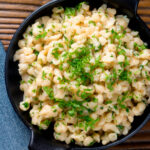
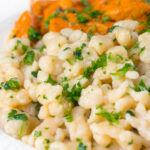
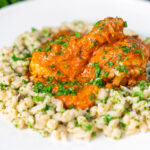
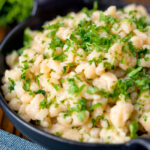
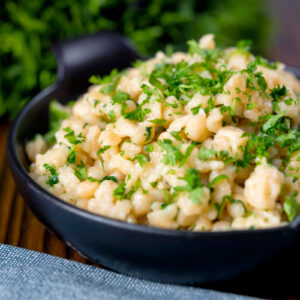
Hungarian nokedli dumplings are a classic, simple noodle-style side dish similar to pasta that is delicious, quick, easy and cheap to make.
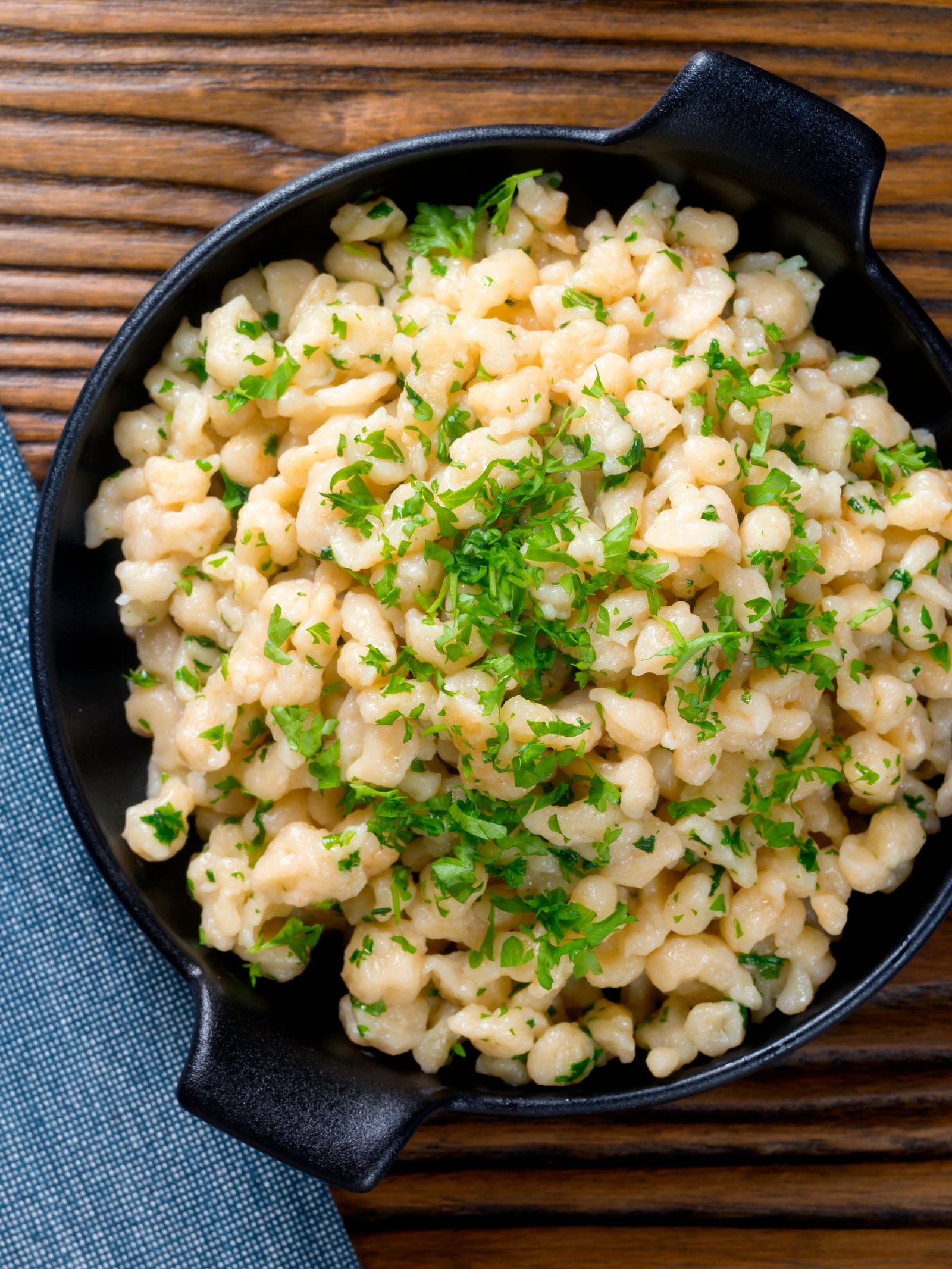
Four base ingredients form the dumplings: egg, flour, salt and water. They take 15 minutes to cook and prepare, and they are superb tossed with butter and herbs and then served alongside paprikash!
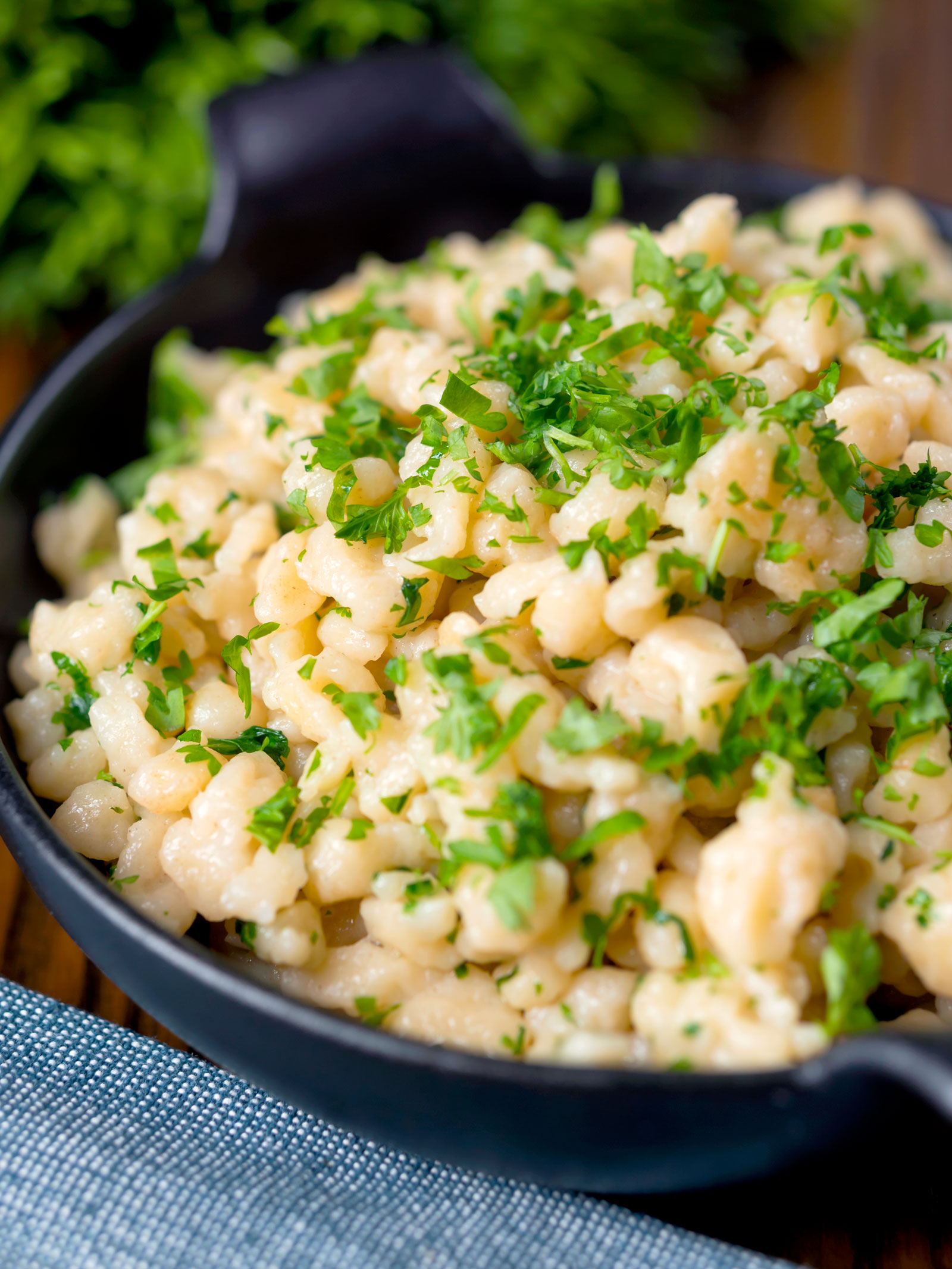
Hungarian Galuska Noodles or Dumplings
Nokedli or Galuska are a delicious dumpling or noodle-style side dish from Hungary... well, when I say Hungary, I mean across vast swathes of Europe.
If you are in Germany and Austria, they are called Spätzle, Knöpfle in Switzerland, Halušky in Slovakia, Vaseršpacli in Slovenia and no doubt countless other variations!
Whilst there are some differences, they are essentially a take on homemade pasta.
Egg and flour are the core ingredients; rather than stiff rollable dough, nokedli dough is sticky and gets pushed through a form into boiling water.
It may sound odd, but it is super simple. I have a video below the recipe that shows just how simple!
Making the dough takes 7 or 8 minutes, and then cooking takes 5 or 6 minutes. This means that this delicious carby side dish is a form of pasta that is criminally cheap, easy and quick to make!
Frequently Asked Questions
Do I have to use a nokedli maker?
No, you could use a colander and a silicone spatula. You could even use a scraper and just push bits of dough off a chopping board; this is the really traditional method.
Both are messy and awkward, but will get you there; however, given that a "machine" will set you back around £15, then it's best to pony up, in my opinion.
I have linked up the one that I use in the Equipment Used Section, and you can see it in use in the video in the recipe.
There are two types of spaetzle to make, which should I choose?
There are indeed two types, the first is round and sits on a pan. The second is long and looks like a cross between a mandolin and a cheese grater.
Both are commonly used in Hungary, but I cannot get used to using the long version.
Does the size of the nokedli maker matter?
If you are using a round maker, then it needs to sit neatly inside the saucepan you plan to use. If it is too small, it will obviously fall in. Too large and you will end up in a real mess!
Trust me, I have been there and bought that t-shirt!
Can I make them in advance?
Yes, but they do have a tendency to become more gloopy and stick together, though. You can loosen them up by dropping them in boiling water or coating them in oil. I prefer the former approach.
Serving Suggestions
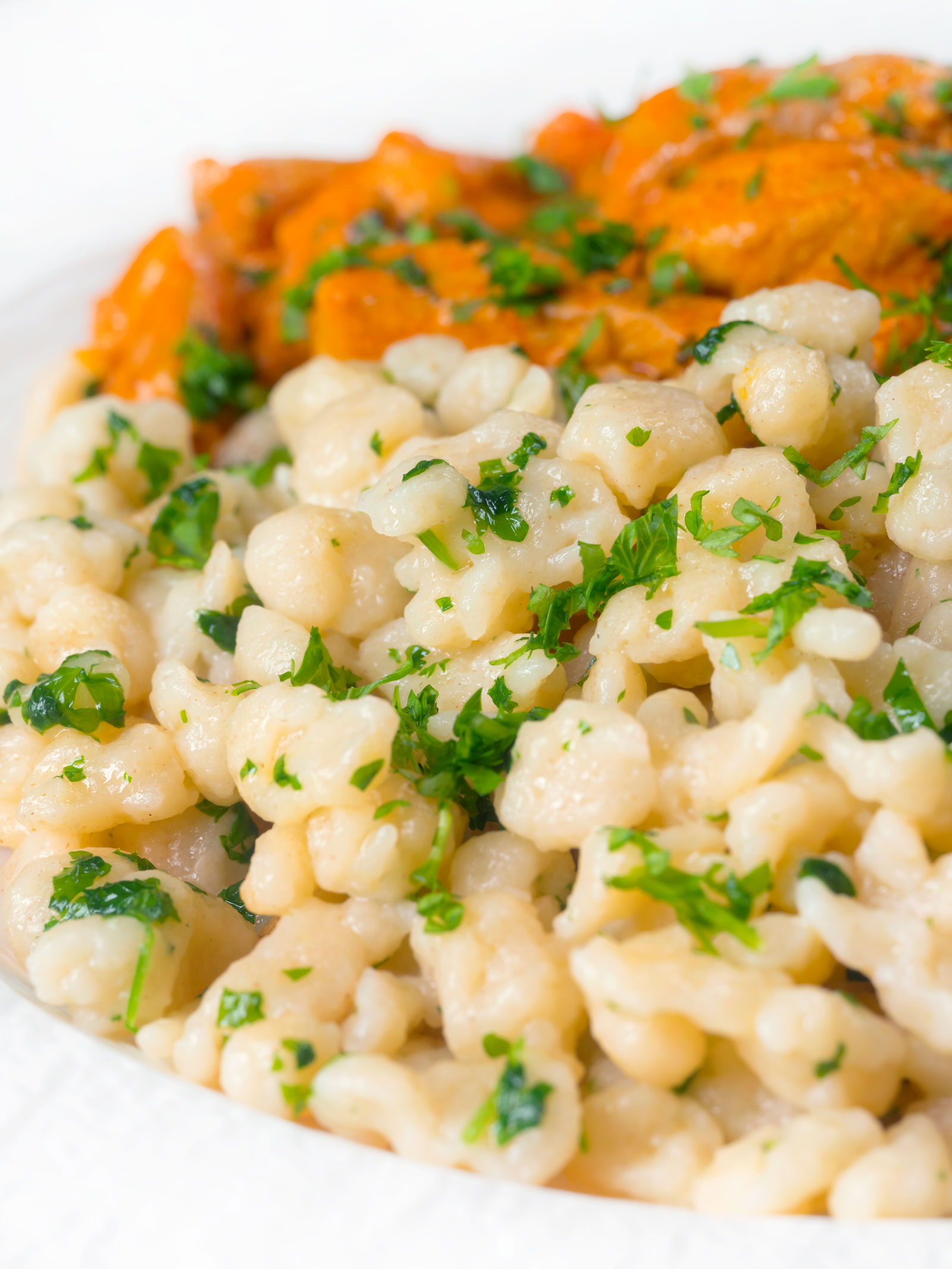
Nokedli gets served with all sorts of stews in Hungarian dishes; they are the perfect carby side dish.
Paprikash is the obvious choice for those outside of Hungary, probably because it is one of the most famous dishes outside of Hungary.
It is pictured above with my pork paprikash, but it is great with chicken paprikash and my fish paprikash.
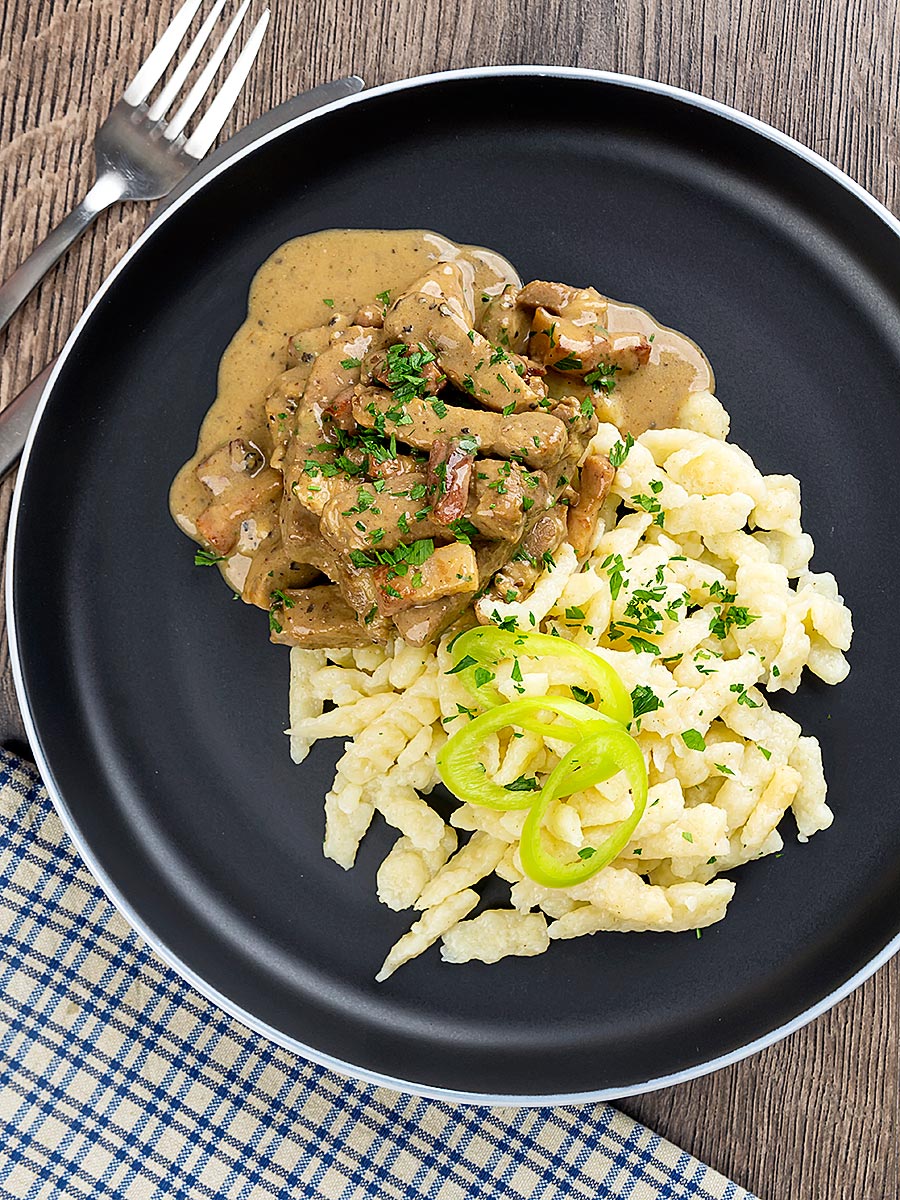
Other dishes that are less well-known outside of Hungary that work really well with these dumplings are borsos tokany, pictured below and marha (beef) porkolt or birkapörkölt mutton stew.
Don't get wrapped up in Hungarian food, though! These noodles are great with everything from pork stroganoff to this Romanian sour cabbage stew.
Equipment Used
I only mention specific brands of equipment if I think they make a material difference to a recipe. But if you have any questions, feel free to ask them in the comments section below the recipe.
- Hob/stovetop.
- Mixing bowl.
- Whisk.
- Spatula.
- 24cm or 10" saucepan.
- Nokedli maker. I use this spaetzle maker it fits perfectly in a 24cm pan. The relationship between your pan and the maker is critical.
- Scraper to push through the dough; this should come with your spaetzle maker.
- 30cm or 12" frying pan if you are planning on tossing in butter.
- Chopping board.
- Kitchen knife.
Homemade Hungarian Nokedli Recipe
Ingredients
- 300 g Plain Flour 2 Cups + 3 tablespoon
- 1 Large Egg
- 275 ml Water 1 Cup + 2 tablespoon
- ¾-1 teaspoon Salt
- 25 g Butter 2 tablespoon (OPTIONAL)
- 1 Handful Lots of Fresh Parsley (OPTIONAL)
Instructions
- Combine all of the ingredients and bring them together to create a thick batter, almost like a drop scone thickness.
- Pass the batter through a Nokedli maker directly into a pan of rapidly boiling salted water.
- Then cook for just a couple of minutes, and they are done shortly after they begin to float.
- OPTIONALMelt a knob of butter in a pan, add the dumplings and parsley, then toss to coat and serve.
We loved this but by golly it was tough work getting the mixture through the holes! I had to stop after a while as my arms felt they were about to drop off. Probably next time I should make the mixture a bit looser.
Fortunately we are not big eaters so there was plenty for us with what I had done.
We adored the nokedli, though, and I will certainly be doing them again.
I don't like potatoes (yes, I know, most people can't believe it either) so I am always on the lookout for things like this.
Eek... I'm not sure that I can be seen associating with folk that don't like potatoes 😲😉 my website name is a Hungarian colloquial term for potato, it's essentially called spud!
Protein levels in flour can have a significant impact on recipes like this, there is a video below the recipe that shows the texture that you are looking for. If you are planning on making these regularly, invest in a "nokedli or spaetzli" maker, I don't like the ones with the square hopper and prefer the type that feature in the video, they are like £12-15 on Amazon last time I checked, they make the job a lot easier.
Have fun.
Brian
Just like my mom made. I make the same but use the Slovak traditional way for boiling dough. Great with fried cabbage and bacon
Ooo oo oo, you can't tease me like that, what's that traditional Slovak way of boiling the dough? 🙂
hi just bought one from ebay £10 cant wait to try it out . if i made the dumplings a little bigger and dropped them into a stew would that work .great site love the recipes .regards tom [ uk ]
Hey Tom... In theory yes, but I would do it right at the very end because cooking them for too long results in them becoming "bullet" like and it ain't pleasant.
A slightly thicker dough is used to make something called "csipetke" or pinches and they are often added to goulash. https://www.krumpli.co.uk/hungarian-goulash/
Enjoy
Brian